A Professional Safety Guide from a NICEIC-Approved Electrical Contractor
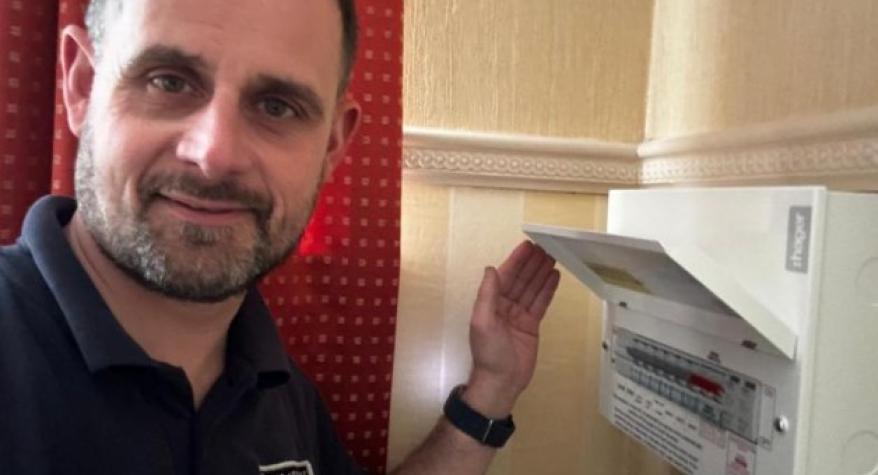
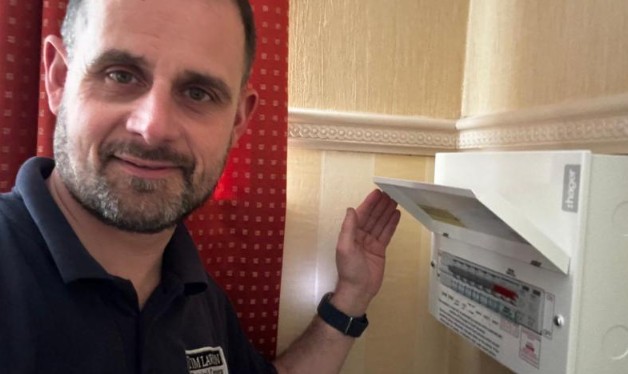
Upgrading a consumer unit (often still called a fuse box) is one of the most important electrical safety improvements you can make in your home.
As a Full Scope NICEIC Approved Contractor working across Grimsby, Cleethorpes, Louth and surrounding Lincolnshire areas since 2002, we regularly inspect properties where outdated fuse boards present genuine safety risks — often without homeowners realising.
This guide explains:
- When a consumer unit upgrade becomes necessary
- The real safety risks of older fuse boards
- Current UK regulations and compliance standards
- Typical upgrade costs in Lincolnshire
- Landlord responsibilities
- Common mistakes to avoid
If you're unsure about your current installation, this will help you make an informed, safety-first decision.
What Is a Consumer Unit — and Why It Matters
Your consumer unit is the central control point for your home's electrical system. It distributes power and protects circuits from:
- Overload
- Short circuit
- Electric shock
- Fire
Modern units include:
- MCBs (Miniature Circuit Breakers)
- RCDs (Residual Current Devices)
- RCBOs (combined protection devices)
- Surge Protection Devices (SPD)
- Metal, fire-resistant enclosures (mandatory since 2016)
Older fuse boards with rewirable fuses offer significantly less protection.
Why Consumer Unit Safety Standards Have Changed
Electrical regulations evolve to reduce fire and shock risk. The current UK standard — BS 7671 (18th Edition Wiring Regulations) — requires:
- Metal consumer unit enclosures
- RCD protection on most circuits
- Fire containment design
- Increased circuit discrimination
- Surge protection assessment
If your fuse box was installed before 2008, it is highly unlikely to meet modern safety expectations.
If it predates 2016, it may not comply with current fire containment rules.
The Real Safety Risks of Outdated Fuse Boards
Increased Fire Risk
Plastic consumer units have been linked to electrical fires spreading internally. Modern metal-clad units significantly reduce this risk.
Lack of RCD Protection
RCDs cut power in milliseconds during earth faults. Without them:
- Faulty appliances can become live
- Damaged cables can cause electric shock
- Outdoor electrics pose a higher danger
Overloaded Circuits
Older boards were not designed for:
- Induction hobs
- EV chargers
- High-powered showers
- Multiple kitchen appliances
- Home offices
Circuit overloading increases overheating risk.
Poor Earthing & Bonding
Many older installations lack adequate earthing and main bonding — critical safety elements.
How to Know If You Need a Consumer Unit Upgrade
You may need a replacement if:
- You still have rewirable fuses
- There’s no RCD test button present
- The unit is plastic
- Circuits trip frequently
- You’re planning a kitchen renovation
- You’re installing an EV charger
- Your property is over 25 years old and hasn’t been updated
- An EICR has identified “C2” or “C1” observations
A professional inspection is the only way to assess safely.
Consumer Unit Upgrades in Older Lincolnshire Homes
Across Grimsby, Cleethorpes and Louth, we regularly work in:
- 1930s semi-detached homes
- 1950s–1970s council-built properties
- Rural properties with older wiring systems
Many of these homes were never designed for modern electrical loads.
In some cases, a consumer unit upgrade may also highlight the need for:
- Circuit separation
- Additional RCD protection
- Main bonding upgrades
- Partial rewire works
A proper installation isn’t simply a box swap — it requires full inspection, testing, certification and notification under Part P of the Building Regulations.
Landlord Safety & Legal Responsibilities
For landlords in Lincolnshire, consumer unit safety directly affects compliance.
Under the Electrical Safety Standards in the Private Rented Sector (England) Regulations 2020:
- An EICR must be carried out every 5 years.
- Any C1 or C2 faults must be remedied.
- Lack of RCD protection may be coded C2.
- Unsafe consumer units must be replaced.
Failure to comply can result in enforcement action and financial penalties.
Insurance providers may also scrutinise outdated installations following claims.
Typical Cost of a Consumer Unit Upgrade in Grimsby & Surrounding Areas
Costs vary depending on:
- Number of circuits
- Required additional works
- Earthing upgrades
- SPD inclusion
- Accessibility
- Whether remedial works are identified
As realistic guidance in 2026:
- Standard domestic upgrade: typically £1500 - £1750
- Larger properties or additional remedial work may exceed this range
This includes:
- Full testing
- Certification
- NICEIC notification
- Removal of the old unit
- Installation of a compliant metal unit
- RCD/RCBO configuration
Fixed quotes require inspection, as every installation differs.
We aim to return quotations within 48 hours, where possible, following assessment.
Common Homeowner Mistakes
❌ Choosing the Cheapest Quote
Consumer unit upgrades involve safety-critical work. Poor workmanship can result in nuisance tripping, poor circuit balance, or hidden non-compliance.
❌ “Like-for-Like” Swaps Without Testing
A proper upgrade requires:
- Full inspection of existing circuits
- Insulation resistance testing
- Earth fault loop impedance testing
- Verification of bonding
Anything less is unsafe.
❌ Ignoring Minor Tripping
Frequent tripping is a warning sign — not an inconvenience to overlook.
❌ Delaying Until a Renovation
Safety upgrades should not wait for cosmetic projects.
Why Using a NICEIC Full Scope Contractor Matters
A Full Scope NICEIC Approved Contractor:
- Can self-certify under Part P
- Is regularly independently assessed
- Provides NICEIC certification
- Offers insurance-backed warranties
- Works to current BS 7671 standards
Not all electricians carry full-scope accreditation.
When upgrading something as critical as your consumer unit, independent verification matters.
Why Choose a Premium Local Electrical Specialist
When dealing with the heart of your home's electrical system, experience matters.
As a long-established Lincolnshire electrician serving Grimsby, Cleethorpes and Louth since 2002:
- Over 100 five-star reviews
- Which? Trusted Trader status
- Professionally answered office line
- Fully insured
- NICEIC Approved & Domestic Installer registered
- Insurance-backed warranties
We focus on long-term safety — not short-term cost cutting.
Subtle Warning Signs You Shouldn’t Ignore
If you notice:
- Burning smells near the fuse box
- Scorch marks
- Buzzing sounds
- Persistent tripping
- Warmth from the unit
Contact a qualified electrician during normal working hours (8:30 am–5:00 pm).
Electrical faults rarely resolve themselves.
Frequently Asked Questions
How much does a new fuse box cost in Grimsby?
Most modern consumer unit upgrades in Grimsby and Cleethorpes range between £1500 and £1750, depending on property size and condition.
Is it worth upgrading an old fuse box in a 1970s house in Cleethorpes?
Yes — especially if no RCD protection is present. Modern safety devices significantly reduce shock and fire risk.
Can I sell my house in Louth with an old consumer unit?
You can, but surveyors may flag outdated installations. Upgrading can improve buyer confidence.
Does a new consumer unit improve electrical safety?
Substantially — particularly where RCD and surge protection are introduced.
How long does a consumer unit replacement take?
Typically, one working day, depending on complexity and any identified remedial works.
When to Take Action
A consumer unit upgrade is not about aesthetics — it is about protecting:
- Your family
- Your tenants
- Your property
- Your insurance position
If your installation is over 20–25 years old, it is worth having it professionally assessed.
For homeowners and landlords looking for a trusted electrician in Grimsby, Cleethorpes, Louth or surrounding Lincolnshire areas, we’re happy to provide a detailed inspection and written quotation.
Call during office hours (8:30 am–5:00 pm) to arrange an assessment.
Safety is always easier — and more affordable — to address before failure occurs.